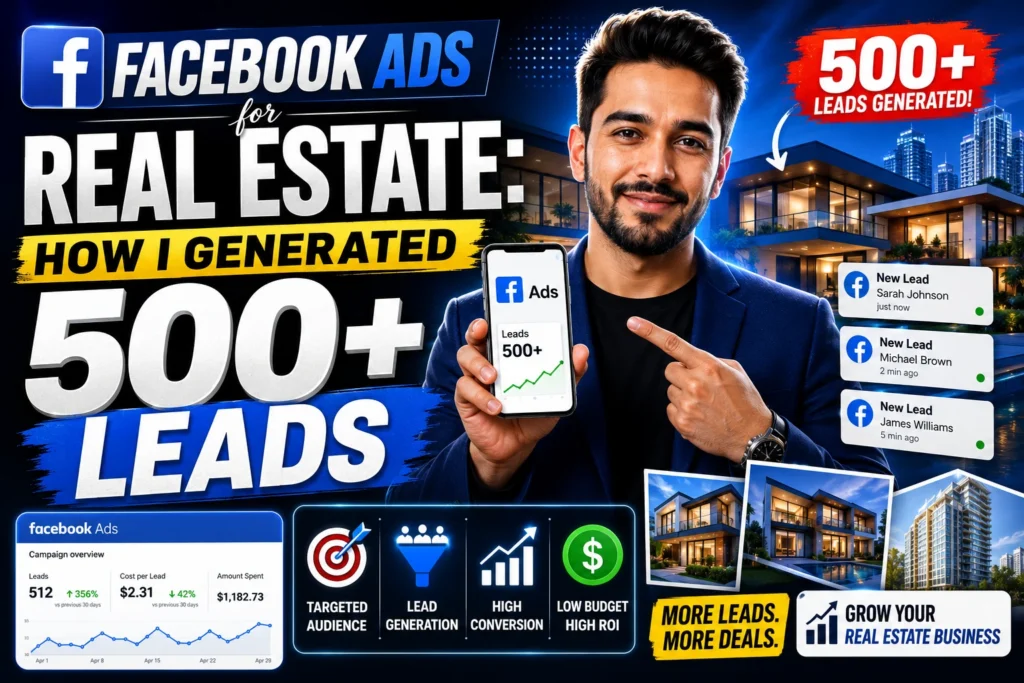
Facebook Ads for Real Estate: How I Generated 500+ Leads
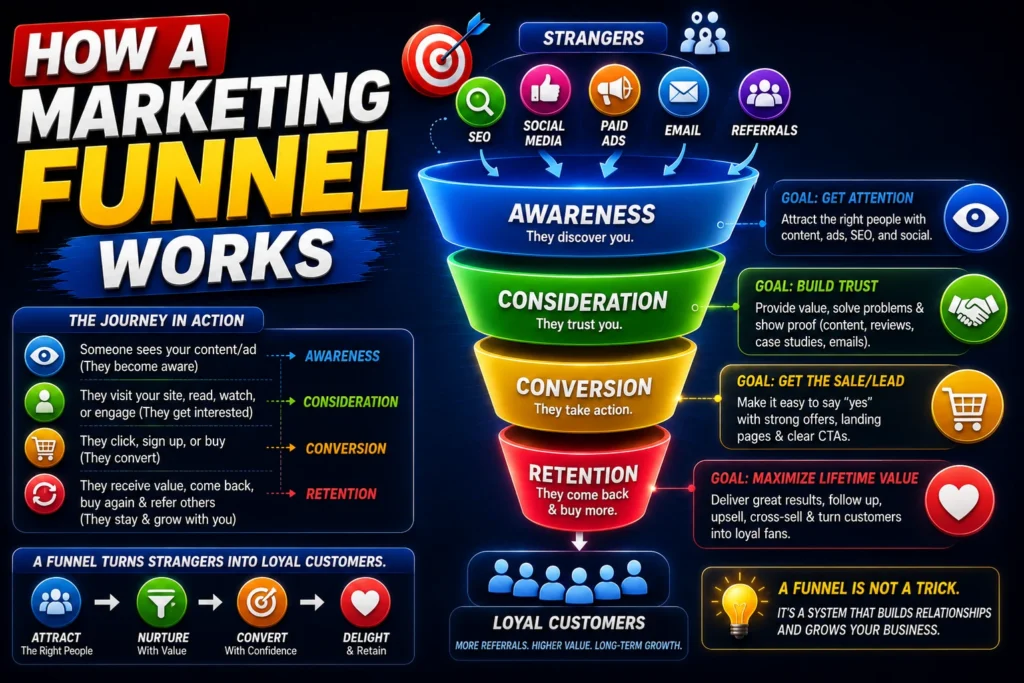
Facebook Ads for Real Estate: How I generated 500+ real estate leads using a specific Facebook Ads funnel and ad strategy. Here is the exact targeting, creative, and follow-up system I used — and the CPL numbers behind it. Facebook Ads for Real Estate With the Lowest CPL I want to start with a number that still surprises me when I think about it. The first month I ran a properly structured Facebook Ads campaign for a real estate project, we generated 74 qualified leads at a cost-per-lead of ₹340. The previous agency had been running the same budget for three months and averaging ₹1,800 CPL. Same city, same project, same target buyers. Different strategy. By the end of month four, we had crossed 500 leads. Not form fills from vaguely curious people — actual qualified prospects who answered a screening questionnaire, confirmed their budget range, and expressed genuine purchase intent. A significant portion of those converted into site visits. Several of those converted into actual sales. This article is the exact strategy I used. Not a generalised overview — the actual targeting logic, ad structure, funnel sequence, creative approach, and follow-up system that produced those results. I am writing this the way I wish someone had written it for me before I spent months testing what did not work. Why Facebook Ads Work for Real Estate but Most Campaigns Fail The Platform Advantage Nobody Uses Correctly Facebook remains the most cost-efficient channel for real estate lead generation, outperforming property portal leads on a cost basis by significant margins. While search intent leads from Google or housing portals have higher immediate purchase intent, Facebook ads generate volume at the top of the funnel — allowing you to build a pipeline for three to six months out at a fraction of the cost. The average real estate CPL on Facebook across 2025 and into 2026 averaged ₹1,200 to ₹2,200 across most Indian real estate markets when campaigns were run without proper structure. With the right strategy, that number drops by 40 to 60%. The reason most real estate Facebook campaigns fail has nothing to do with the platform. It has to do with running awareness-level ads and expecting decision-stage conversions. People scroll Facebook casually. They are not searching for a property. You have to earn their attention, qualify their intent, and build enough trust that they willingly raise their hand — in that order. Most campaigns skip the first two steps and go straight to “Book a Site Visit Today.” That is why they generate expensive, low-quality leads. The Special Ad Category Reality in 2026 One thing you must know before setting up any real estate campaign on Facebook: housing ads fall under the Special Ad Category. This restricts certain demographic targeting options — you cannot target by age, gender, or specific ZIP codes the way other advertisers can. What this means practically: success in 2026 real estate Facebook advertising relies less on manual audience selection and more on creative qualification — using the ad content itself to attract the right buyer while letting Meta’s machine learning handle distribution. Your creative does the filtering. The algorithm does the finding. This is actually a better system than it sounds, once you understand how to use it. The Three-Stage Funnel I Built Before I describe any individual ad or targeting choice, I want to explain the overall structure. Everything else is built around this funnel — and every campaign I have run that has failed skipped one of these three stages. Stage 1: Awareness — Build the Retargeting Pool The goal of this stage is not leads. The goal is attention and engagement from people who match the profile of a real buyer. I run video ads here — specifically, short walkthrough tours of the property, neighbourhood highlights, or honest educational content like “What You Should Know Before Buying a Flat in [City].” These are not sales ads. They are interesting ads. I want people to watch at least 50% of the video because that tells me they are genuinely interested — not just passively scrolling. Every person who watches 50% or more of a video gets added to a custom audience automatically. This is your warm retargeting pool. It costs almost nothing to build. The CPM on video awareness ads is low. And the people inside that pool are significantly more likely to convert when you reach them in Stage 2. Stage 2: Lead Capture — Facebook Instant Forms With Qualification This is where the leads come from. Once someone is in the retargeting pool from Stage 1, I target them with a Lead Generation campaign using Facebook Instant Forms. The form is not a basic “Name, Number, Email” form. A basic form generates cheap, low-quality leads because the friction is too low — anyone taps it without thinking. I use a higher-intent form structure that includes two or three qualifying questions: “What is your approximate budget for this property?” (Multiple choice: Under ₹50L / ₹50L–₹1Cr / ₹1Cr–₹2Cr / Above ₹2Cr) “What is your timeline for making a purchase decision?” (Immediately / Within 3 months / Exploring for later) “Are you looking for a home or an investment property?” These questions do two things. First, they filter out casually curious people. Anyone unwilling to answer three simple questions is not a serious buyer. Second, they give your sales team context before they make the first call, which dramatically improves conversion rates from lead to site visit. Stage 3: Retargeting — Re-engage Drop-Offs and Build Lookalikes Stage 3 targets two groups: people who opened the Lead Form but did not submit, and existing converted leads who can be used to build a Lookalike Audience for prospecting. People who opened the form and did not submit are high-intent individuals who got cold feet or got distracted. Reaching them again with a slightly different message — social proof, a testimonial video, a limited-availability angle — recovers a meaningful percentage of those leads at very
Facebook Ads for Real Estate: How I Generated 500+ Leads Read More »